Menu
image
08, May 2026

How to Avoid Expensive Septic Repairs with Preventive Care

A septic system is one of the most important parts of a home, but it is also one of the easiest to overlook. Many homeowners do not think about their septic system until a major problem appears. Unfortunately, emergency repairs can be extremely expensive and disruptive. The good news is that preventive care can help homeowners avoid many of the most common septic issues.

At Septic Blue, regular septic tank pumping, septic cleaning, and ongoing septic maintenance help homeowners protect their systems and reduce the risk of costly repairs. A little preventive care today can save thousands of dollars in the future.

Why Preventive Septic Maintenance Matters

Your septic system handles all the wastewater that leaves your home. Over time, solid waste accumulates inside the septic tank, while wastewater flows into the drain field for treatment.

Without proper septic maintenance, solids can build up too much and begin damaging the system. Problems like backups, foul odors, standing water, and drain field failure often start small before becoming serious repairs. Working with a trusted septic company helps homeowners identify these issues early and keep the system operating efficiently.

Schedule Regular Septic Tank Pumping

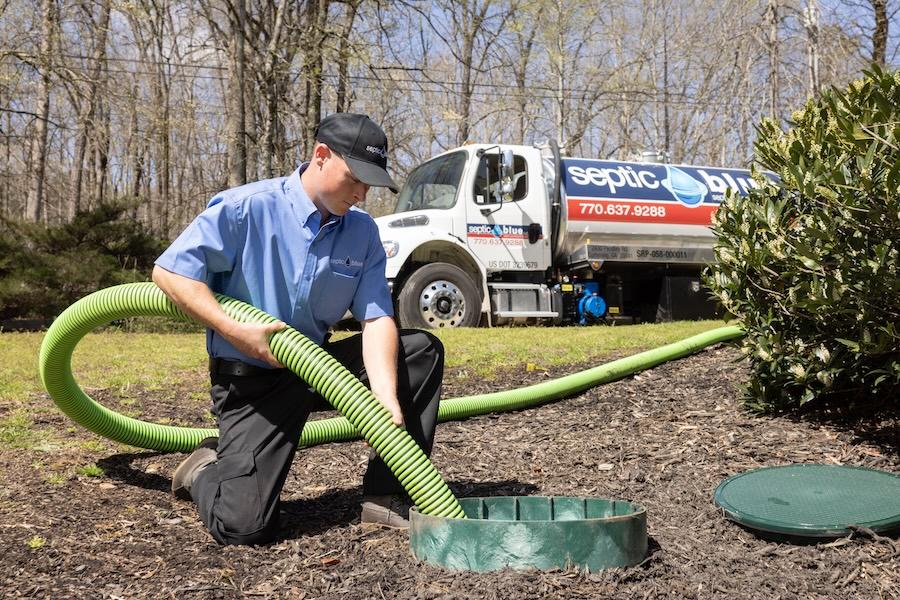
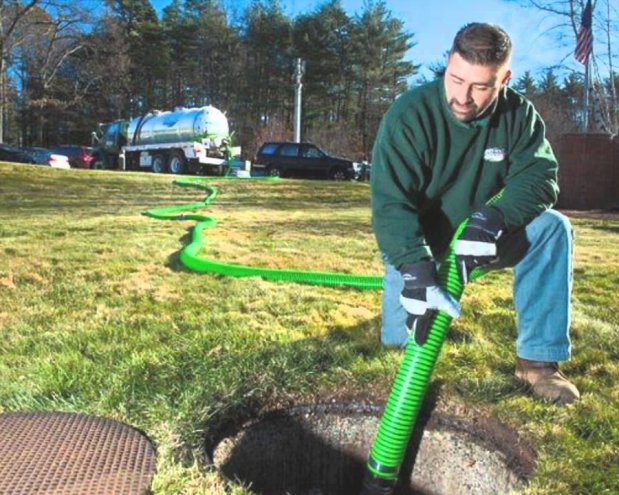
One of the most important parts of septic care is septic tank pumping. As sludge and waste collect inside the tank, they must be removed periodically to prevent overflow and blockages.

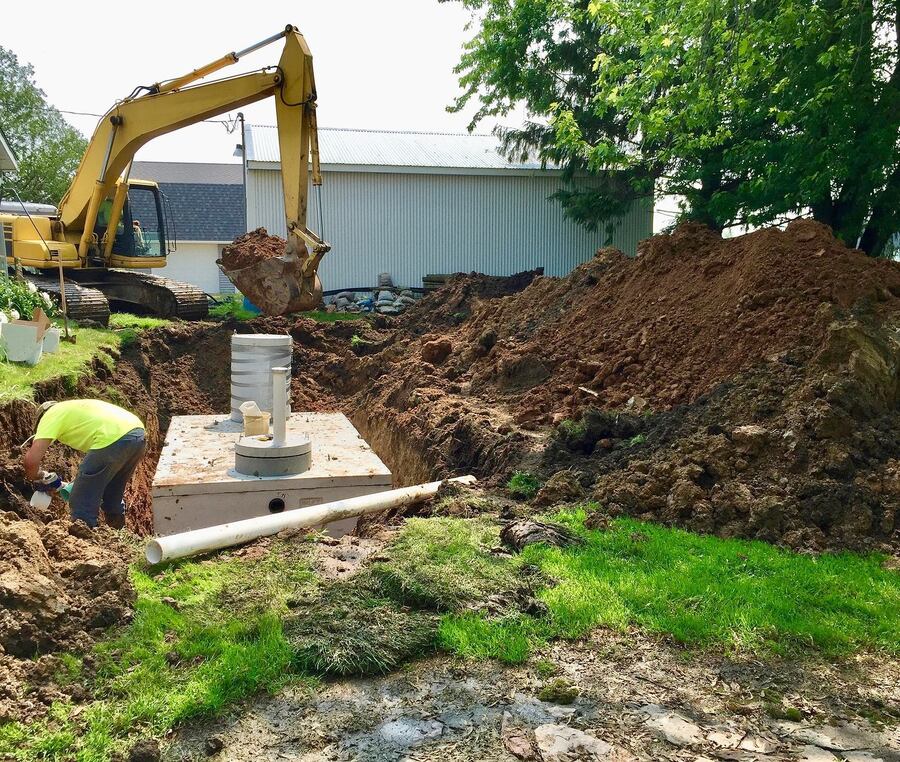
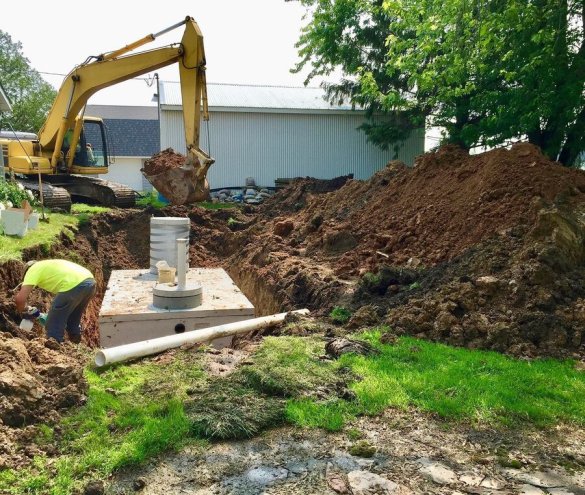
If septic tank pumping is ignored for too long, solid waste can move into the drain field and create permanent damage. Drain field replacement is one of the most expensive septic repairs a homeowner can face.

Most homes require septic service every three to five years, although larger households or homes with heavy water use may need more frequent pumping. A professional septic company can recommend the ideal pumping schedule based on your household size and system capacity.

Invest in Routine Septic Cleaning

Many homeowners think septic tank pumping and septic cleaning are the same thing, but septic cleaning often includes a more detailed inspection of the system.

During septic cleaning appointments, technicians may:

  • Inspect baffles and tank walls
  • Check filters and components
  • Identify signs of leaks or cracks
  • Look for root intrusion
  • Evaluate drain field performance

These inspections help catch problems before they become expensive emergencies. Routine septic service is much more affordable than major septic repairs.

Be Careful About What Goes Down the Drain

Preventive care also involves changing everyday habits inside the home. Septic systems are designed to handle wastewater and biodegradable waste only.

Homeowners should avoid flushing:

  • Wipes
  • Paper towels
  • Feminine hygiene products
  • Grease or cooking oils
  • Harsh chemicals
  • Excessive food waste

These materials can clog pipes, damage the tank, and interfere with the natural bacteria that help break down waste. Professionals at Septic Blue often remind homeowners that what goes into the system directly affects how long it lasts.

Reduce Excess Water Usage

Too much water entering the septic system at once can overload the tank and drain field. This makes it harder for wastewater to separate properly and increases the risk of backups.

Simple ways to reduce water strain include:

  • Fixing plumbing leaks quickly
  • Spreading laundry loads throughout the week
  • Installing water-efficient fixtures
  • Taking shorter showers

Responsible water usage is an important part of long-term septic maintenance.

Protect the Drain Field

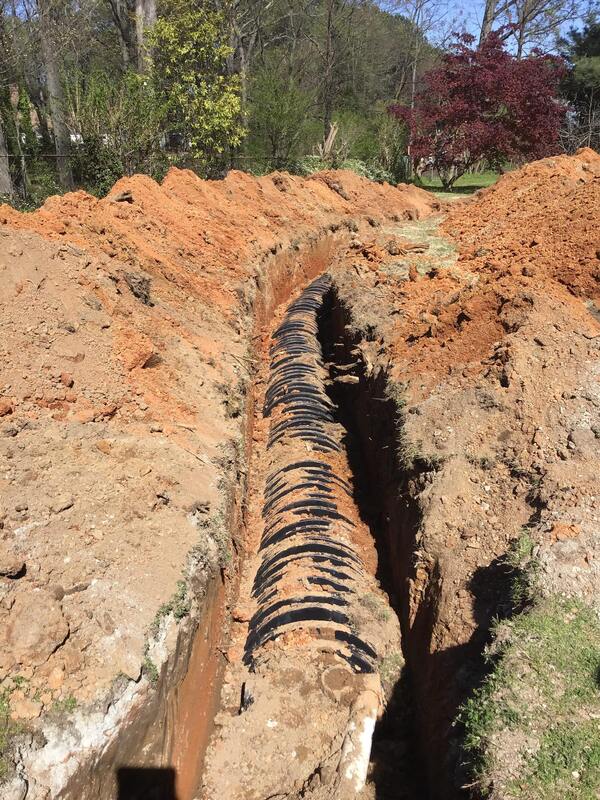
The drain field plays a critical role in filtering wastewater. Damage to this area can shorten the lifespan of the entire system.

Homeowners should:

  • Keep heavy vehicles off the drain field
  • Avoid planting trees too close to the system
  • Prevent excess rainwater runoff from flooding the area

A professional septic service provider can also inspect the drain field during routine maintenance visits to ensure it remains healthy.

Watch for Early Warning Signs

Even with good maintenance habits, homeowners should stay alert for signs of trouble.

Common warning signs include:

  • Slow drains
  • Gurgling pipes
  • Sewage odors
  • Standing water near the drain field
  • Frequent backups

Calling a septic company at the first sign of trouble can prevent small problems from becoming major repairs.

Preventive Care Saves Money

Septic repairs can be stressful and expensive, but many problems are preventable with consistent care. Regular septic tank pumping, professional septic cleaning, and smart household habits all help extend the life of your system. Septic Blue provides reliable septic service and expert septic maintenance to help homeowners avoid costly repairs and keep their septic systems running smoothly.

Septic Tips from Septic Experts

May 08, 2026

How to Avoid Expensive Septic Repairs with Preventive Care

A septic system is one of the most important parts of a home, but it is also one of the easiest to overlook. Many homeowners do not think about their…

Apr 30, 2026

Just Moved In? Here’s How to Take Care of Your Septic Tank

Moving into a new home comes with a long checklist—unpacking boxes, setting up utilities, and learning the ins and outs of your property. If your new home uses a septic…

Apr 23, 2026

Septic System Maintenance Checklist

Keeping your septic system in top condition is essential for protecting your home, your health, and your wallet. Without proper care, even a well-installed system can fail, leading to unpleasant…